Storing Water for Emergencies

Living in the Bay Area, we know that a large earthquake could happen at any time. After a major disaster, your home could be without running water for many days. It will take time for DSRSD and relief agencies to set up temporary water stations. Other events can interrupt water service, too, including pipe breaks, pump failure, contamination, extreme drought, or a major fire.
It's essential to be prepared. While you can survive three weeks without food, you can die after three days without water. Every family should store water for emergencies.
Guidelines for Emergency Water Storage
How much water should I store?
 Store enough water to supply your family for at least three days: one gallon per person per day. This provides enough water for drinking, food preparation, and sanitation. Children, nursing mothers, the elderly, and people in warmer climates need more. Allow an extra gallon per day for each pet in your household.
Consider storing a two-week supply; if you don’t have room for this quantity, store as much as you can.
What are my options for storing water safely?
Store water in a cool, dark place, away from toxic substances.
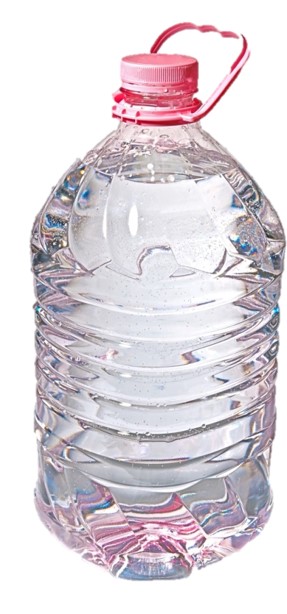 Option 1: Commercially bottled water is the safest and most reliable emergency supply. Buy one-gallon or three-gallon bottles at the grocery store or order five-gallon jugs from a delivery service. Keep bottled water in its original container and do not open until you need to use it.
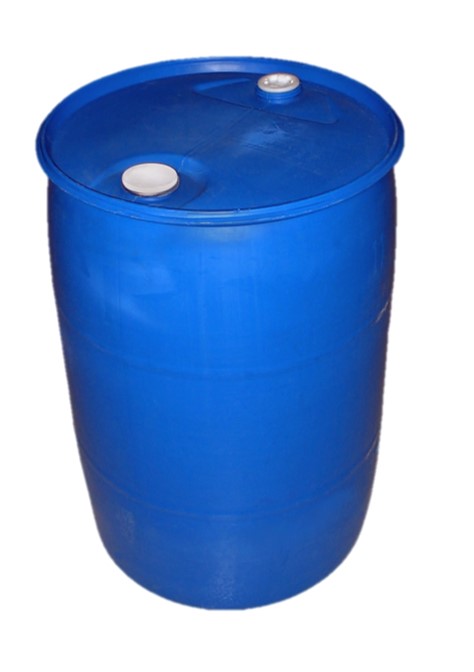 Option 2: Store tap water in clean, airtight, food-grade plastic containers. Avoid used containers or glass. A 55-gallon barrel requires the least amount of space to store but you will need a hand pump for dispensing water from the barrel. Water bags such as "Aquatank" also can be a good option if you have limited storage space.
How long does stored water remain fresh?
For commercially bottled water, observe the expiration or “use by” date. Once you’ve purchased the total number of bottles you need, start a rotation program to keep the water fresh: add a new bottle to your supply each time you shop, and put your oldest bottle in the refrigerator for daily use. Rotate your supplies regularly.
If you are storing tap water, replace it every six months or as directed by the container manufacturer. Label every container with the date it was stored.
Do I need to disinfect containers before filling them with tap water?
Yes. Wash the container with dish soap and water, and rinse thoroughly to remove all soap residue. Sanitize by adding a solution of recently purchased, unscented liquid chlorine bleach—1 teaspoon per quart of water. Mix the solution in the bottle and swish so it touches all surfaces. Thoroughly rinse out the sanitizing solution with clean water.
Should I add bleach to stored tap water?
DSRSD uses chlorine to disinfect the water delivered to customers. According to the American Red Cross, “…if your water utility company treats your tap water with chlorine, you do not need to add anything else to the water to keep it clean.” If the water comes from a well or water source not treated with chlorine, Red Cross recommends adding two drops of liquid bleach for each gallon of water. Also see the instructions for purifying contaminated water, below.
What are other sources of drinking water during an emergency?
 You can obtain drinkable water from water heaters, water pipes in your home, canned fruits and vegetables, melted ice cubes, and water stored in a recreational vehicle's drinking water tank. Remember to use drinking water to wash dishes, brush your teeth, wash and prepare food, wash your hands, make ice, or make baby formula.
Do not drink water from swimming pools, spas, ponds, aquariums, fountains, radiators, hot water boilers, or waterbeds. The water may contain chemicals, and boiling it or adding bleach does not make it safe to drink. Use water from these non-potable (non-drinkable) sources for bathing, cleaning, and flushing toilets. The American Red Cross also discourages using water from toilet tanks for potable purposes, even if it has been sanitized.
How can I purify contaminated water?
Option 1: Boil. Bring the water to a rapid boil and let it boil for at least one minute, preferably three to ten minutes. After the water cools, you can improve its taste by pouring it back and forth between two clean containers to add back oxygen.
Option 2: Bleach. Use recently purchased 5.25% sodium hypochlorite bleach that contains no other active ingredients. Do not use scented bleach. Add the appropriate amount of bleach to the water (see chart) and mix thoroughly. Let the water stand for 30 minutes before using. After 30 minutes, you should be able to detect a slight chlorine odor. If not, repeat the process and let the water/bleach mixture stand for an additional 15 minutes.
Add Household Bleach to Purify Contaminated Water
| Water Type |
1 quart of water |
1 gallon of water |
5 gallons of water |
| Clear water |
2 drops of bleach |
8 drops of bleach |
1/2 teaspoon of bleach |
| Cloudy water |
4 drops of bleach |
16 drops of bleach |
1 teaspoon of bleach |
Option 3: Reverse osmosis. Hiking, camping, and boating supply stores sell small reverse osmosis pumps that can remove minerals and bacteria from water. Carefully read and follow the directions that come with the unit.