Graywater Systems
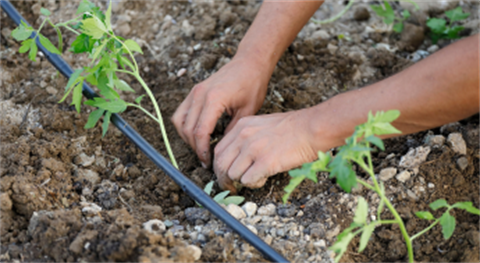
Did you know that instead of sending your property’s water down the drain, you can reuse some of it to irrigate your yard instead? Some Californians are taking advantage of this simple idea and are installing graywater systems to keep their gardens green. During water shortages or droughts, graywater systems can be a reliable water supply for your plants.
What is Graywater?
Graywater is water from indoor sources that is captured and reused on-site for irrigation. Sources of household graywater include laundry machines, bathroom faucets, showers, and bathtubs.
Per California Health and Safety Code, Section 17922.12 and the California Uniform Plumbing Code, graywater systems cannot include any water from toilets, kitchen sinks, or dishwashers. This type of wastewater contains high organic material and possible food borne pathogens that require treatment.
Graywater is not the same as recycled water. Recycled water is wastewater (which includes water from toilets and kitchen drains) that has been cleaned at a treatment plant and is piped to customers for non-drinking uses like irrigation. Graywater does not undergo any treatment.
Types of Graywater Systems
Laundry-to-Landscape (L2) Graywater Systems
L2L systems only reuse water from a single domestic clothes washer in a one- or two-family residential home. L2L systems do not include pumps, tanks, or affect the building's plumbing, electrical, or mechanical components including structural features, egress, fire-life safety, sanitation, potable supply piping, or accessibility. Compared to other types of graywater systems, L2L systems have the simplest and most affordable installation.
Simple & Complex Graywater Systems
Simple and complex systems differ from L2L systems because they can reuse water from a clothes washer, bathroom sink, shower, and/or bathtub. These two types of systems alter the building’s plumbing and can include surge tanks, filtration systems, pumps, and installation of a backflow prevention assembly.
These systems are considered either simple or complex based on the amount of graywater they generate per day. Simple systems generate less than 250 gallons of irrigation water per day, while complex systems generate more than 250 gallons per day.
Design & Permitting Requirements
Your system must meet the guidelines in California Plumbing Code and Dublin Municipal Code (DMC) 8.88.160 if the property is within the City of Dublin to be code compliant. If you have any questions about DSRSD permitting requirements for graywater systems, email olsons@dsrsd.com.
Graywater System Design Requirements
- Graywater systems must be designed to minimize contact with humans and domestic pets.
- Graywater systems cannot be connected to drinking water piping or fixtures. Customers are not allowed to use an existing below ground irrigation system that is connected to the house drinking water supply. Graywater must be applied through a separate above ground or sub-surface irrigation piping and emitters that are covered by at least 2-inches of mulch, rock, or soil.
- Graywater piping must be clearly labeled and readily available to the user.
- A valve must be installed to divert flows between sewer system and the above ground or sub-surface irrigation piping.
- An operational and maintenance manual must be provided to the property owner and remain with the system.
Graywater Use Regulations
- Water used to wash diapers and similar soiled garments must be diverted to sewer system.
- Graywater cannot contain hazardous chemicals such as cleaning from car parts, washing greasy or oily rags, or disposing of waste solutions from home photo labs or similar hobbyist or home occupational activities.
- Graywater systems cannot be used to irrigate root crops or food crops intended for human consumption that comes into contact with soil.
- Graywater cannot be used for spray irrigation.
- Graywater cannot pond, runoff or discharge to the street gutter, storm drain system, or surface water.
- Graywater must be contained on the site where it is generated.
L2L System Permit Requirements
L2L systems do not require any permits provided the system meets the California Uniform Plumbing Code and any applicable City Code requirements. If you are unsure if your project requires a permit, contact your city's permit center.
Things to Know Before Installing a Graywater System
Assess your Property: To install an L2L graywater system, the landscape must be the same elevation or downhill from the clothes washer. It is also recommended that the clothes washer is located near an exterior wall or crawlspace.
Choose the Right Plants to Irrigate: Graywater works well for irrigating trees, shrubs, and larger perennials and annuals. Do not use graywater to water lawns, root vegetables, or in raised beds.
Upgrade your Laundry Machine First: If you do not have an Energy Star-rated laundry machine, consider replacing it before installing a graywater system. This will ensure your property saves as much water as possible. DSRSD offers rebates to help residents purchase water-efficient models.
Additional Resources