Rain Barrels
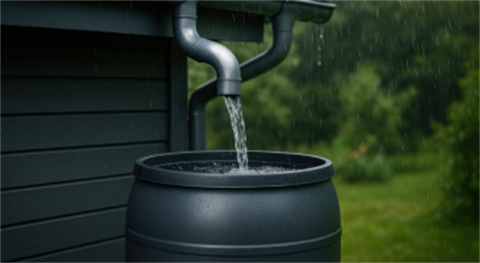
Rain barrels connect to a roof's downspout, capturing runoff so it can be used later for irrigation. Rain barrel kits include components such as a screen to prevent debris from entering the barrel and a spout for easily access the water for irrigation.
Rain Barrel Benefits
Landscape irrigation is often the largest water use for single-family homes, particularly in warm inland areas like the Tri-Valley. Rain barrels can help preserve our drinking water supply by limiting the amount needed for landscape irrigation or other non-drinking uses.
Captured rainwater requires no treatment. Rain barrels are inexpensive to install and can reduce your home's overall water use.
Rain Barrel Limitations
California has distinct wet and dry seasons. This means that rainwater can often only be captured during the wet season when additional irrigation water is unnecessary. During the dry season, California can go for many weeks without rain, allowing for no rainwater capture when irrigation water would be helpful. However, any rainwater captured during the wet season can still be used for non-drinking uses such as watering indoor plants, flushing toilets, and washing cars.
Frequently Asked Questions
Are there regulatory requirements for rainwater capture?
California residents are allowed to capture rainwater from their roofs for use in gardening, landscaping, and other non-potable uses according to the Rainwater Capture Act of 2012.
Do you need a permit to install a rain barrel?
Simple rain barrels typically do not require a permit from the Cities of Dublin or San Ramon or Dublin San Ramon Services District.
Are there rebates for rain barrels?
Currently, there are no rain barrel rebates available for Dublin or San Ramon properties due to the nature and duration of the rain events.
How much water could I capture with a rain barrel?
Use this formula to calculate how much water your rain barrel could capture throughout the year:
(square footage of your roof) x (7.84) = gallons of water your rain barrel could capture in one year
The Tri-Valley gets about 14 inches of rain per year on average. Keep in mind that the majority of rain falls during the winter months or early spring in the Tri-Valley and that most rainfall events are less than 2 inches over a 24-hour period for our area.
Learn More